
How Live Dealer Tables Actually Run
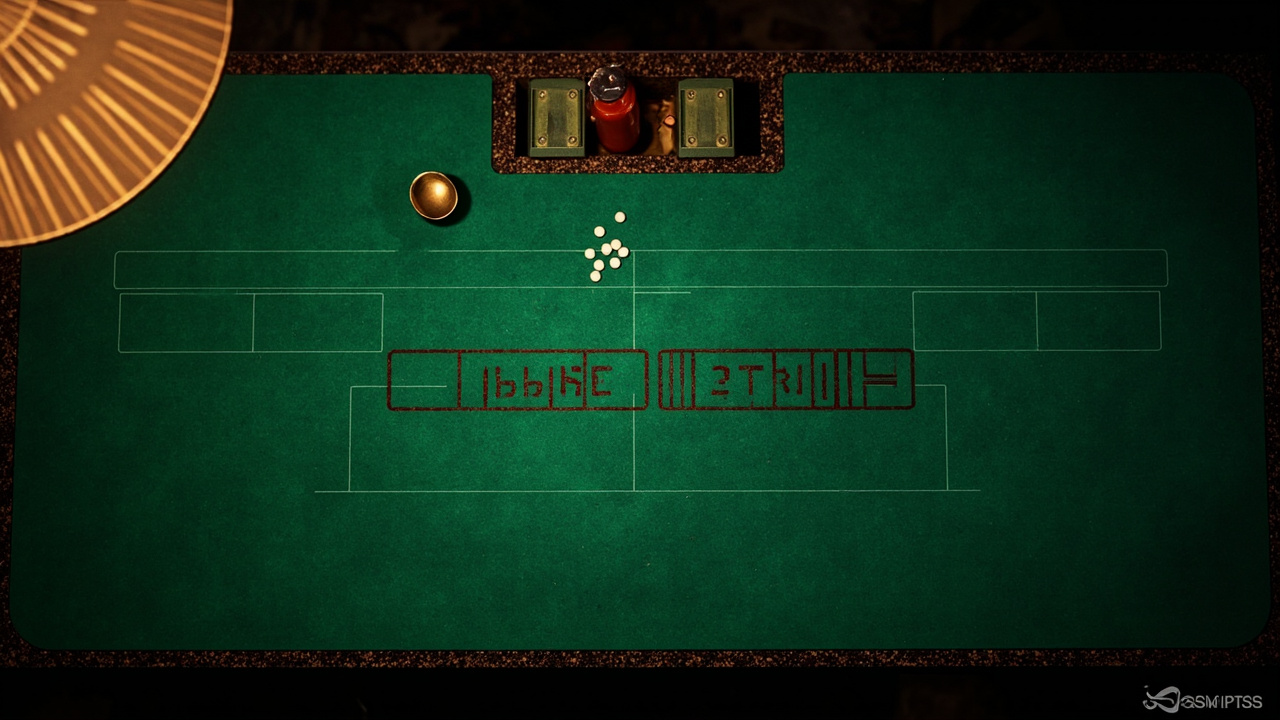
Live dealer blackjack streams a real croupier from a studio floor, usually powered by Evolution or Playtech, and the shoe is shuffled at set intervals rather than after every hand. For an Australian player sitting in, say, a quiet study in regional New South Wales after a long week, the pace feels closer to a club table than a slot round, but the mechanics are still controlled by the operator’s cut-card point and automatic reshuffle triggers. Card counters rely on penetration and predictable shuffle points, so the first thing to check is whether the live table actually exposes enough cards before the dealer burns a fresh shoe. Most operators running 8-deck shoes will cut off roughly 20 to 25 cards, which limits the depth a counter can realistically track, and that constraint matters more than the streaming quality or the camera angles. Signing up is straightforward enough: you enter an email, confirm your age, and pass identity checks before the first deposit clears, but the real test comes when you sit down and read the table rules rather than the promotional banner.
Uptown Aces Casino Reviews covers the registration flow and verification steps in detail, so if you want to compare timing against notes on uptown aces casino reviews, the signup and KYC process is laid out without the usual marketing gloss. The first session usually starts with a modest deposit in AUD, a bonus that activates on your first wager, and a clear rule sheet showing dealer stands on soft 17, double after split, and the exact reshuffle trigger. Those rules are what determine whether a counting approach has any room to breathe, not the live video feed or the chat function.
Does Card Counting Hold Up on a Live Stream
The short answer is that counting on a live dealer table is possible in theory but heavily constrained in practice, and the gap between the two is where most players get misled. A live shoe is still a physical shoe, so the running count and true count logic still apply, but the operator controls the cut card, the number of decks, and the shuffle timing, which means you are working inside a narrower window than you would on a private table. The advantage from counting is real but modest, and it only shows up over a large sample when the rules, penetration, and bet spread align. On a regulated live floor, the bet spread is often capped, the table limits are visible before you join, and the dealer pace is steady rather than reactive, so the kind of aggressive spreading that makes counting profitable in a book is much harder to execute without drawing attention.
I have run paid search campaigns for blackjack operators where the landing page promised «smart play» and the actual table rules told a different story, and that mismatch is exactly what you want to avoid when you are testing a counting approach в рамках компании on a live stream. The smarter move is to treat the first few sessions as observation: watch how deep the shoe goes, note the reshuffle point, and check whether the table allows the bet adjustments you had in mind. If the cut card is deep and the limits are reasonable, a disciplined count can tilt the edge slightly in your favour over time, but it is never a shortcut to steady profit and it never removes the house edge on any single hand.
Where the Real Limits Sit
The practical limits are less about the mathematics and more about the environment the operator builds around the table. Live dealer blackjack is designed for visibility and pace, which means the shoe is often shallower than a counter would prefer, the reshuffle can be triggered early if the floor software detects unusual betting patterns, and the table rules may include restrictions that compress the edge further. A player in regional New South Wales might be watching the same stream as someone in Perth, but the local timing, the sporting calendar, and the session length all shape how the game feels. During the AFL Grand Final or the Melbourne Cup, the live floor can feel busier and the attention span shorter, which is not ideal when you are trying to keep a quiet count and adjust bets without drawing a glance. The same goes for a State of Origin arvo, when the stream might be running in the background while the actual focus is elsewhere.
Verification and geo-checks are part of the setup, and they exist to keep the room compliant rather than to slow you down, so there is no point treating them as something to work around. The first deposit, bonus activation, and first play all happen inside that verified session, which means your betting pattern from the start is already visible to the operator’s systems. That is not a warning about anything improper; it is simply the reality of a live table where the software tracks wager size, session time, and table selection in real time. If your counting plan depends on dramatic bet swings, the table limits and the operator’s monitoring will shape what is actually feasible, and that trade-off is worth weighing before you commit to a session.
Choosing a Table That Fits the Approach
If you are serious about testing a counting approach on a live dealer table, the table selection matters more than the bonus or the welcome offer. Look for a shoe with deeper penetration, a clear reshuffle rule, and limits that allow a measured spread rather than a single flat bet. The provider matters too, because different studios run different cut-card depths and different pacing, and those details show up in the rule panel before you join. A table that stands on soft 17, allows double after split, and pays 3:2 on blackjack is a better starting point than one that compresses the rules and pays 6:5, regardless of how polished the stream looks. The bonus mechanics should be read carefully as well, because wagering requirements and game contributions can affect how much of your early session is actually playable bankroll rather than locked behind rollover terms.
Payments and currencies are worth checking before the first deposit, especially if you want to keep everything in AUD and avoid conversion friction mid-session. Mobile play is usually solid on the major live tables, but the smaller screen can make it harder to track cards and bet sizes at the same time, so a desktop session is often the better place to start. Support and loyalty features are secondary to the table rules when you are testing an edge, though a responsive help desk does matter if you need to confirm verification status or table limits before you commit. The point is to match the table to the approach, not to force the approach onto whatever table is sitting at the top of the lobby.
The reality is that live dealer blackjack can accommodate a counting approach in narrow conditions, but those conditions are set by the operator, not by the player, and the edge is small enough that discipline and sample size matter more than any single session. If you want to read a measured breakdown of the registration, verification, and first-deposit flow before you sit down, the notes on local legal guidance around gambling compliance are worth a look, because the rules that shape the table are the same rules that shape the room you are playing in.
